
How To Select The Best Insulating Fire Brick For Your Application
Views: 0 Author: Site Editor Publish Time: 2025-10-17 Origin: Site


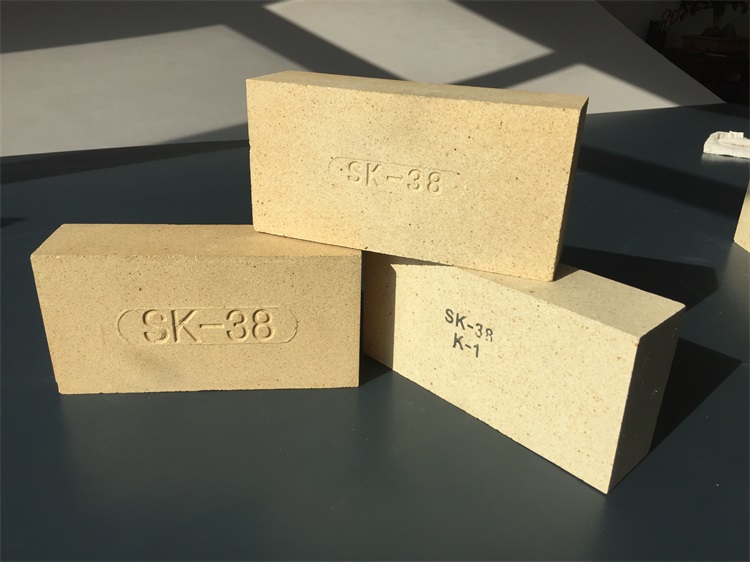
Ever wondered how to keep your high-temperature applications energy-efficient? Insulating fire bricks might be the answer. These bricks are crucial for minimizing heat loss in extreme environments. In this post, you'll learn how to select the best insulating fire brick for your specific needs and explore their diverse applications.
What Are Insulating Fire Bricks?
Definition and Characteristics
Insulating fire bricks (IFBs) are a special type of refractory brick designed primarily for thermal insulation in high-temperature environments. Unlike dense fire bricks, they focus on minimizing heat loss rather than maximizing mechanical strength. These bricks are lightweight, thanks to their porous structure, which traps air and reduces thermal conductivity. This makes them ideal for applications where energy efficiency is crucial.Key characteristics of insulating fire bricks include:
Low Density: Typically much lighter than dense fire bricks, making handling and installation easier.
High Porosity: Contains numerous tiny air pockets that provide excellent insulation.
Thermal Resistance: Can withstand temperatures ranging from approximately 1260°C (2300°F) to over 1540°C (2800°F), depending on the grade.
Low Thermal Conductivity: Helps retain heat within furnaces and kilns, reducing fuel consumption.
Moderate Mechanical Strength: While not as strong as dense bricks, they are sufficient for many insulation applications.
Materials commonly used to manufacture insulating fire bricks include alumina silica fire brick compositions and other lightweight refractory materials. Some popular types are soft insulating fire bricks, which are easier to cut and shape, and insulating fire bricks K23, known for their high-temperature resistance.
Comparison with Dense Fire Bricks
Dense fire bricks differ significantly from insulating fire bricks in several ways:Loading Sheets. Please try again after it's finished.This contrast means that insulating fire bricks are best used where heat retention and energy efficiency are priorities, while dense fire bricks suit areas requiring durability and wear resistance.
Common Uses and Applications
Insulating fire bricks find use in a variety of industrial and commercial settings where heat conservation is vital. Some typical applications include:
Ceramic Kilns and Pottery Ovens: Soft refractory bricks provide excellent insulation without adding excessive weight.
Glass Furnaces: Lightweight refractory bricks help maintain high temperatures efficiently.
Metal Foundries: Insulating refractory bricks reduce heat loss during metal melting and casting processes.
Wood-Fired Ovens and Stoves: Firebrick insulation improves cooking efficiency and protects outer structures.
Incinerators and Petrochemical Plants: High temp refractory bricks withstand harsh conditions while conserving energy.
Heat Insulating Bricks in Energy Production: Used in boilers and heat exchangers to minimize energy waste.
Selecting the appropriate insulating fire brick type, such as alumina silica fire brick or K23 insulating firebrick, depends on the specific thermal and mechanical demands of the application.
Tip: When choosing insulating fire bricks, consider both the thermal insulation properties and mechanical strength to match your application’s specific heat retention and structural needs.
Key Factors to Consider When Selecting Insulating Fire Bricks
Selecting the right insulating fire brick (IFB) for your application requires careful consideration of several critical factors. Each property influences performance, durability, and cost-effectiveness. Let’s explore the key aspects you should evaluate when choosing insulating refractory bricks.
Temperature Rating and Its Importance
The maximum service temperature of the insulating fire brick is paramount. Different grades of IFBs are designed to withstand specific temperature ranges, typically from around 1260°C (2300°F) up to 1540°C (2800°F) or higher. Selecting a brick with an appropriate temperature rating ensures it can endure the operating environment without premature failure.
Low to mid-range applications like ceramic kilns or pottery ovens often require bricks rated near 1260°C.
High-intensity industrial uses such as glass furnaces or metal foundries demand bricks with higher temperature resistance, like K23 insulating firebrick.
Over-specifying temperature rating can increase costs unnecessarily, while under-specifying risks damage and downtime.
Density and Weight Considerations
Density directly impacts insulation efficiency and mechanical strength. Insulating fire bricks are typically lightweight due to their porous structure, but density varies among products.
Lower-density bricks offer superior insulation and are easier to handle and install. They are ideal for lining areas where weight is a concern.
Higher-density bricks provide better mechanical stability and resistance to abrasion but have slightly higher thermal conductivity.
Choosing the right density depends on your application’s balance between insulation needs and structural demands.
Thermal Conductivity Impact
Thermal conductivity measures how much heat passes through the brick. Lower conductivity means better insulation and energy savings.
Prioritize bricks with low thermal conductivity to reduce heat loss and fuel consumption.
Alumina silica fire bricks and soft insulating fire bricks often feature excellent insulation properties.
However, very low conductivity bricks may have reduced strength, so balance these properties carefully.
Mechanical Strength Requirements
Although insulating fire bricks are not as strong as dense fire bricks, mechanical strength remains important.
Load-bearing areas such as kiln arches and door frames require bricks with sufficient strength to avoid cracking or deformation.
For non-load-bearing insulation layers, softer refractory bricks can reduce costs without compromising performance.
Size and Shape Availability
Properly sized and shaped bricks ensure tight fitting and minimal gaps, which is crucial for effective firebrick insulation.
Standard sizes are common, but many suppliers offer custom shapes and sizes tailored to your furnace or kiln design.
Soft insulating fire bricks are often easier to cut and shape on-site, facilitating precise installation.
Resistance to Chemical Attack
Industrial environments may expose fire bricks to corrosive substances like slags, acidic vapors, or hydrocarbons.
Choose insulating refractory bricks formulated for chemical resistance specific to your process.
For example, alumina silica fire bricks resist alkalis, while other compositions handle acidic conditions better.
Cost and Longevity Analysis
While initial cost is important, consider the total cost of ownership.
Higher-quality insulating fire bricks may cost more upfront but provide longer service life and reduce maintenance.
Improved insulation lowers energy consumption, delivering operational savings.
Investing in durable, well-matched bricks prevents frequent replacements and costly downtime.
Tip: When selecting insulating fire bricks, always balance thermal performance with mechanical strength and chemical resistance to match your application’s specific operating conditions and ensure long-term efficiency.
Temperature Rating: Choosing the Right Grade
Selecting the proper temperature rating for insulating fire bricks (IFBs) is crucial to ensure durability and efficiency in your high-temperature application. Each grade of insulating fire brick is designed to withstand specific temperature ranges, and matching these to your operational conditions prevents premature failure and unnecessary expenses.
Low to Mid-Range Applications
For applications like ceramic kilns, pottery ovens, and light-duty furnaces, bricks rated around 1260°C (2300°F) are usually sufficient. These soft insulating fire bricks offer excellent heat insulating properties while being easier to handle and shape. Using lightweight refractory bricks in these settings helps maintain energy efficiency without the need for more expensive high-temp refractory bricks.
High-Intensity Industrial Applications
Industries such as glass manufacturing, metal foundries, and petrochemical plants demand bricks that withstand much higher temperatures, often above 1425°C (2600°F). Insulating fire bricks K23 or k23 insulating firebrick grades are popular choices here due to their alumina silica fire brick composition, offering superior thermal resistance and chemical durability. These high temp refractory bricks ensure safe operation under extreme heat and harsh conditions.
Avoiding Premature Failure
Choosing a brick with too low a temperature rating can lead to rapid deterioration, cracking, or deformation. This not only increases maintenance costs but also risks operational downtime. Conversely, selecting a brick with a temperature rating far beyond your needs may increase upfront costs without added benefits. Balance is key. Analyze your process’s maximum operating temperature and select an insulating refractory brick grade that comfortably exceeds it.
Tip: Always verify the maximum continuous operating temperature of your application and choose insulating fire bricks rated at least 10% higher to ensure safety and longevity.
Balancing Density and Weight
When selecting insulating fire bricks, understanding the balance between density and weight is crucial. These factors influence insulation efficiency, mechanical strength, and ease of installation. Let’s explore the benefits and trade-offs of different densities and how to choose based on your application.
Benefits of Lower-Density Bricks
Lower-density insulating fire bricks, often referred to as lightweight refractory bricks, are prized for their excellent thermal insulation. Their porous structure traps air, which reduces heat transfer and improves energy efficiency. These bricks are easier to handle and install due to their lighter weight, reducing labor costs and installation time.Key advantages include:
Superior insulation: Lower thermal conductivity minimizes heat loss.
Ease of handling: Lightweight bricks reduce worker fatigue and risk during installation.
Reduced structural load: Ideal for applications where weight constraints are critical, such as retrofitting existing furnaces or lightweight kiln linings.
Cost savings: Lower transportation and installation costs.
Soft insulating fire bricks often fall into this category, making them suitable for ceramic kilns, pottery ovens, and other low to mid-temperature applications.
Advantages of Higher-Density Bricks
Higher-density insulating refractory bricks offer enhanced mechanical strength and durability. Although they are heavier, these bricks withstand abrasion, mechanical stress, and occasional impact better than their low-density counterparts.Benefits include:
Improved structural stability: Suitable for load-bearing areas such as kiln arches and furnace walls.
Greater resistance to wear: Better performance in harsh industrial environments.
Moderate insulation: While not as insulating as low-density bricks, many high-density bricks maintain acceptable thermal conductivity for demanding applications.
Chemical resistance: Higher-density bricks often incorporate alumina silica fire brick compositions, providing better resistance to chemical attack.
High temp refractory bricks like insulating fire bricks K23 combine these qualities, making them ideal for glass furnaces, metal foundries, and petrochemical plants.
Application-Based Density Selection
Choosing the right density depends on your specific needs:Loading Sheets. Please try again after it's finished.In many cases, a combination of densities is used within the same installation to optimize both insulation and strength where needed.
Tip: When selecting insulating fire bricks, consider using lower-density bricks for insulation layers and higher-density bricks for load-bearing zones to achieve optimal thermal efficiency and structural integrity.
Understanding Thermal Conductivity
Thermal conductivity is a critical factor when selecting insulating fire bricks (IFBs). It measures how easily heat passes through the brick material. The lower the thermal conductivity, the better the brick insulates, keeping heat inside furnaces, kilns, or ovens. This directly impacts energy efficiency and operational costs.
Impact on Energy Efficiency
Bricks with low thermal conductivity reduce heat loss, meaning furnaces consume less fuel to maintain high temperatures. For example, lightweight refractory bricks and soft insulating fire bricks typically have very low conductivity values due to their porous structures. This trapped air acts as an insulator, minimizing heat flow.In industrial settings such as glass furnaces or metal foundries, even small improvements in insulation can lead to significant fuel savings. Selecting bricks like alumina silica fire bricks or insulating fire bricks K23, known for their superior insulation, helps optimize energy use and reduce emissions.
Prioritizing Low Conductivity
When energy conservation is a priority, choose insulating refractory bricks with the lowest possible thermal conductivity that still meet your mechanical and temperature requirements. For instance, soft insulating fire bricks often offer excellent insulation but may sacrifice some strength. Conversely, some high temp refractory bricks balance insulation with durability.Always check manufacturer specifications for thermal conductivity values, typically measured in W/m·K. Lower values indicate better insulation performance. A brick with a thermal conductivity below 0.3 W/m·K is generally considered highly insulating.
Balancing Strength and Conductivity
While low thermal conductivity is desirable, it often comes with reduced mechanical strength. Highly porous bricks insulate well but may not withstand heavy loads or abrasion. Therefore, it’s essential to balance insulation needs with structural demands.For load-bearing areas, consider slightly denser insulating fire bricks that maintain reasonable conductivity but offer improved strength. In contrast, non-load-bearing insulation layers can use softer, more porous bricks for maximum heat retention.
Tip: When selecting insulating fire bricks, aim for the lowest thermal conductivity that still supports your application’s mechanical and temperature requirements to maximize energy efficiency without compromising durability.
Mechanical Strength Considerations
When selecting insulating fire bricks, mechanical strength is a key factor, especially in areas subjected to structural loads or mechanical stress. While insulating refractory bricks typically prioritize thermal insulation, they must also withstand physical forces to maintain integrity and safety.
Importance in Load-Bearing Areas
Load-bearing sections of furnaces, kilns, or ovens—such as arches, door frames, and support walls—require insulating fire bricks with sufficient mechanical strength. These bricks must resist cracking, deformation, and abrasion caused by thermal expansion, mechanical pressure, and handling.
Higher-density insulating fire bricks usually offer better crushing strength and durability, making them suitable for these critical zones.
Grades like insulating fire bricks K23 or high temp refractory bricks often combine alumina silica fire brick compositions for enhanced strength and thermal resistance.
Using bricks with inadequate strength in load-bearing areas can lead to premature failure, costly repairs, and safety hazards.
Cost-Effective Options for Non-Load Bearing Areas
In contrast, non-load-bearing insulation layers do not require the same mechanical robustness. Here, soft insulating fire brick or lightweight refractory bricks provide excellent heat insulating properties at a lower cost and easier installation.
These bricks are easier to cut, shape, and fit, reducing labor time.
Their lower density improves insulation efficiency by trapping more air.
They are ideal for lining internal insulation layers where mechanical stress is minimal.
Balancing Strength and Insulation
A practical approach often involves combining different types of insulating fire bricks within the same installation:Loading Sheets. Please try again after it's finished.This strategy ensures structural integrity where needed while optimizing heat retention and cost.
Tip: For optimal performance, specify insulating fire bricks with adequate mechanical strength in load-bearing areas and use softer, lightweight bricks for insulation layers to balance durability and energy efficiency.
Conclusion
Selecting the best insulating fire brick involves considering temperature rating, density, thermal conductivity, and mechanical strength. Proper selection enhances energy efficiency and durability, providing long-term benefits. ZIBO ZHUOYUE REFRACTORY CO.,LTD offers high-quality insulating fire bricks, ensuring optimal performance and value for industrial applications. Their products combine excellent thermal insulation with sufficient mechanical strength, catering to diverse needs.
FAQ
Q: What are insulating fire bricks, and why are they important for specific applications?
A: Insulating fire bricks are lightweight refractory bricks designed for thermal insulation in high-temperature environments. They are crucial for applications like kilns and furnaces, where energy efficiency and heat retention are priorities.
Q: How do I select the best insulating fire brick for my kiln?
A: Choose insulating fire bricks based on temperature rating, density, and thermal conductivity. Soft insulating fire bricks are ideal for kilns due to their excellent insulation and ease of handling.
Q: What is the difference between insulating fire bricks and dense fire bricks?
A: Insulating fire bricks are lightweight with low thermal conductivity, focusing on heat retention. Dense fire bricks are heavier, offering higher mechanical strength but less insulation.
Q: Why should I consider the density of insulating fire bricks?
A: Density affects both insulation efficiency and mechanical strength. Lightweight refractory bricks offer superior insulation, while higher-density bricks provide better structural stability.
Q: Are insulating fire bricks suitable for high-temperature industrial applications?
A: Yes, grades like K23 insulating firebrick are designed for high-temperature applications such as glass furnaces and metal foundries, offering excellent thermal resistance and durability.


