
News and Events
-
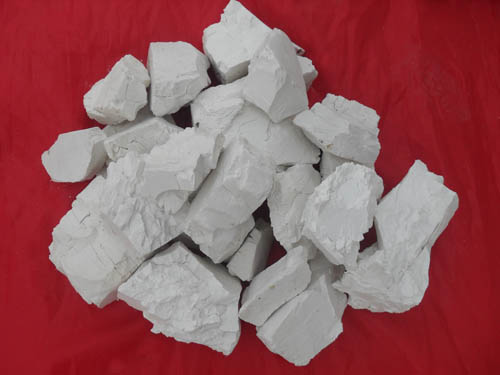 What Role Does Kaolin Play in Refractory Bricks?
2026-01-10
Kaolin plays a vital role in the production of refractory bricks, mainly in the following aspects:I. Providing fire resistanceKaolin is mainly composed of kaolinite (Al₂O₃·2SiO₂·2H₂O). After high-temperature calcination, its chemical composition and structure change, resulting in refractory mineral Read More -
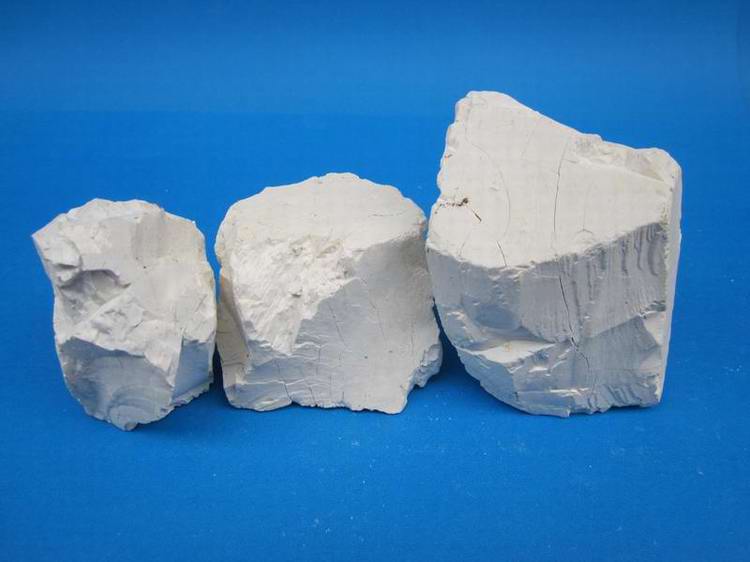 How To Use Calcined Kaolin in Refractories
2026-01-10
Calcined kaolin is widely used in refractories, mainly in the following aspects:I. Refractory bricksCalcined kaolin is an important raw material for manufacturing refractory bricks, which has high fire resistance and can bear the load in high temperature environment without deformation. Read More -
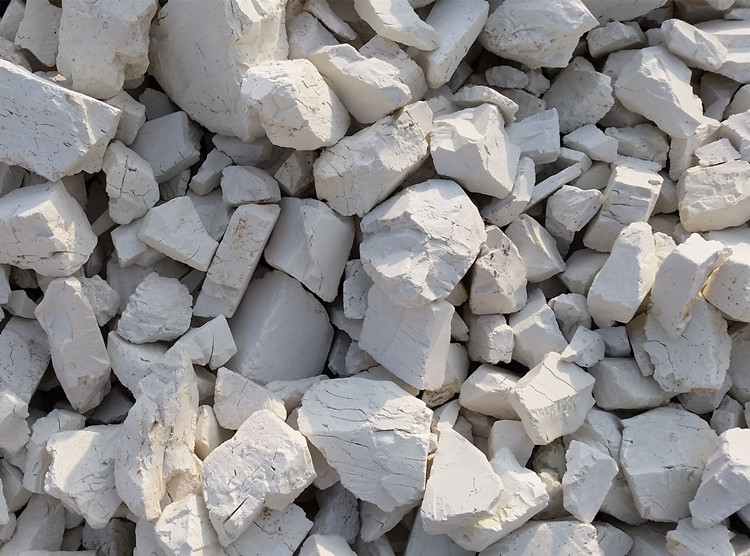 Calcined Kaolin Is An Excellent Cornerstone in Refractories.
2026-01-10
Refractory plays an indispensable role in many fields of modern industry, and calcined kaolin is one of the most valuable raw materials. This paper will deeply discuss the characteristics, application and importance of calcined kaolin in industrial production. Read More -
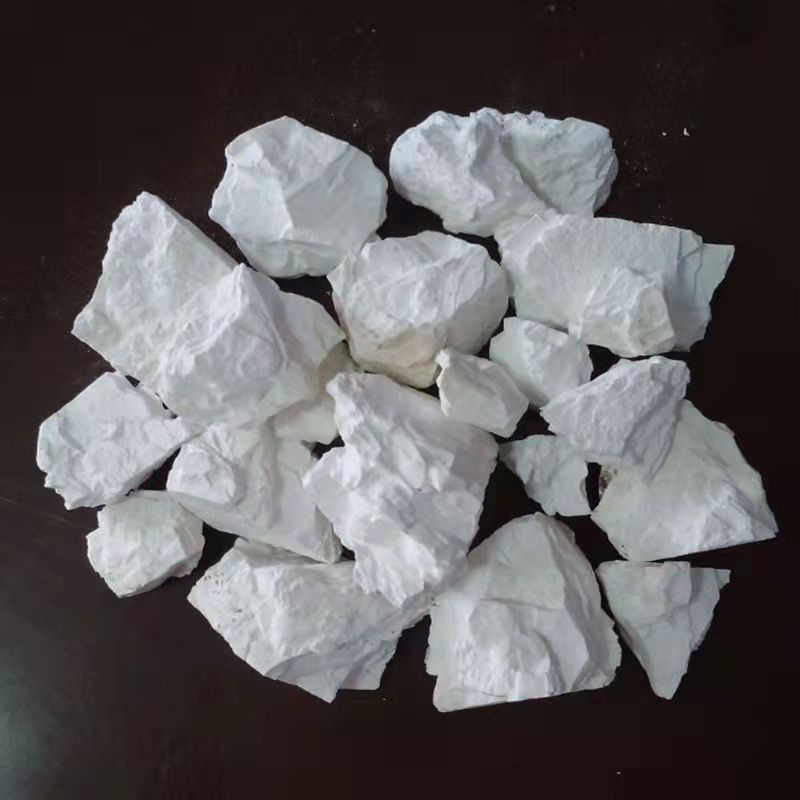 Application of Calcined Kaolin
2026-01-07
Calcined kaolin is a kind of kaolin product after high temperature treatment. Because of its unique physical and chemical properties, it has been widely used in many industrial fields. Read More -
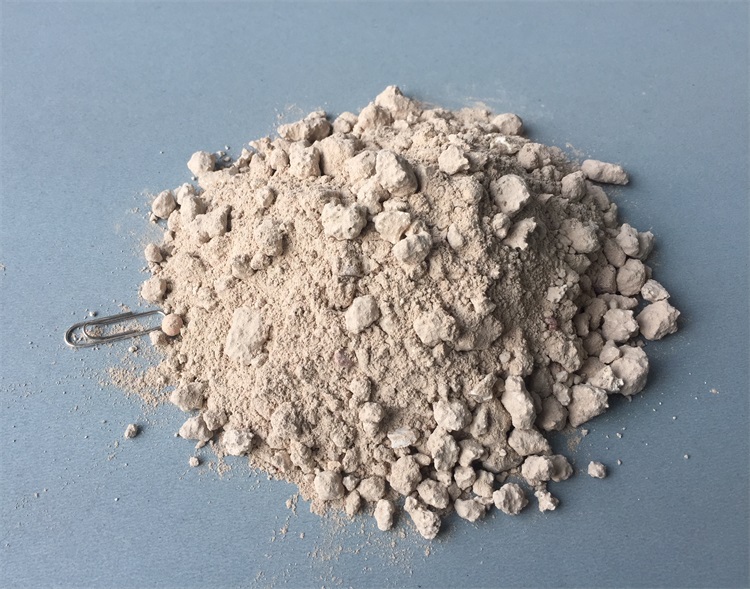 What Are The Advantages of Using Light Castable for Boilers in Power Industry?
2026-01-07
The use of light castable in boilers in power industry has many obvious advantages, mainly in the following aspects:I. Excellent thermal insulation performanceLightweight castable has low thermal conductivity, which can effectively reduce heat transfer, thus reducing the temperature of boiler shell Read More -
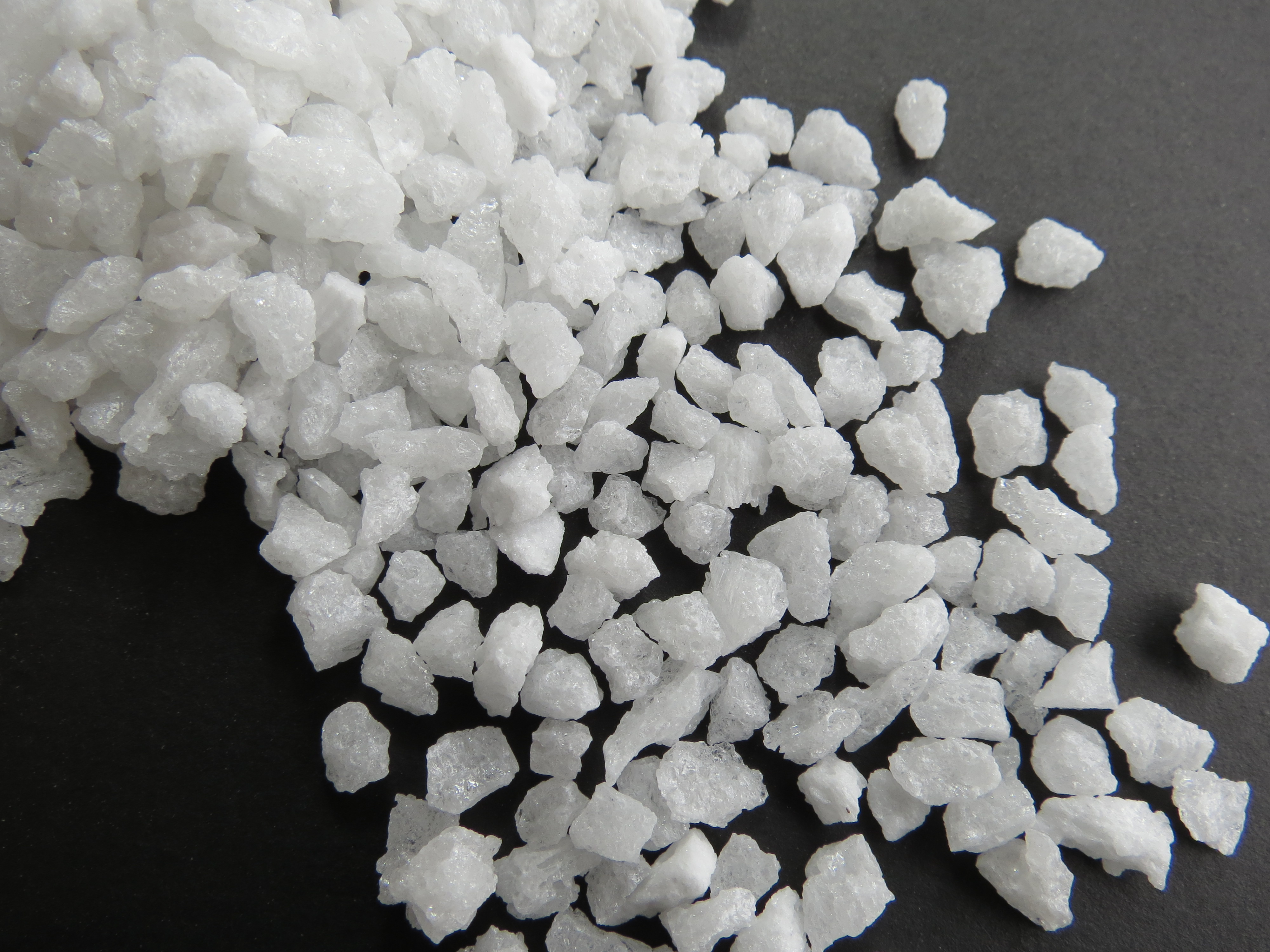 Customization Requirements of White Corundum
2026-01-04
We are well aware that different customers have different requirements for the specifications, properties and uses of white corundum products. In order to better meet your personalized needs, we provide the following customized services for your reference:I. Customization of product specificationsPa Read More -
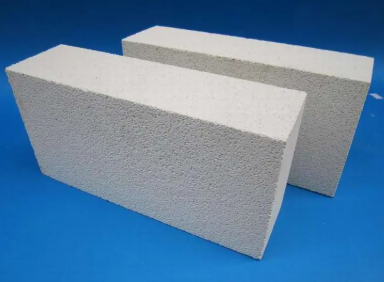 4 Major Types of Bricks for Cement Kilns
2025-10-24
Refractory bricks are essential for cement kilns, which endure extreme temperatures. The four major types—fire clay, high alumina, silica, and magnesia bricks—each offer unique benefits for different kiln zones. Fire clay bricks are cost-effective and ideal for moderate heat zones. High alumina bricks provide superior thermal shock resistance and are best for high-temperature areas. Silica bricks excel in acidic conditions, while magnesia bricks withstand extreme temperatures and alkaline environments. Choosing the right refractory brick depends on factors like temperature, chemical exposure, and mechanical stress. For optimal performance, consult a reliable refractory supplier like ZIBO ZHUOYUE REFRACTORY CO., LTD. Read More -
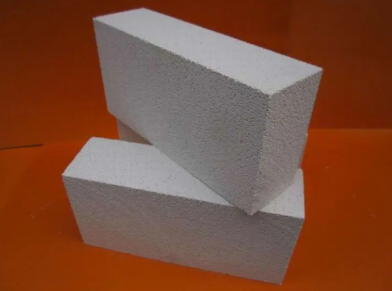 Step-by-Step Process of Making High-Quality Refractory Bricks
2025-10-23
Refractory bricks are essential in industries exposed to extreme heat, such as steel, cement, and glass production. These bricks are made from high-quality raw materials like high-alumina bauxite, silica, and magnesite. The manufacturing process involves crushing, mixing, shaping, drying, and firing at high temperatures to ensure strength, durability, and thermal shock resistance. Quality control ensures that each batch meets industry standards. Refractory bricks provide protection and insulation for high-temperature equipment, such as furnaces and kilns. ZIBO ZHUOYUE REFRACTORY CO., LTD offers reliable refractory solutions designed to withstand harsh industrial conditions. Read More -
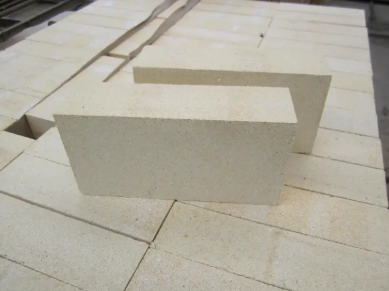 What Are The Advantages of Refractory Bricks?
2025-10-22
Refractory bricks are essential in industries exposed to extreme temperatures, chemical corrosion, and mechanical stress. These high-performance materials withstand temperatures ranging from 1,200°C to 2,100°C, making them ideal for steelmaking, cement manufacturing, and glass production. Their thermal shock resistance and durability ensure longevity and reduce maintenance costs. With superior chemical resistance, refractory bricks protect equipment from corrosive substances, extending operational life. Additionally, their energy-efficient properties help minimize fuel consumption. Available in customizable compositions, refractory bricks cater to specific industrial needs, ensuring optimal performance in harsh environments. Choose the right refractory bricks for enhanced operational efficiency and cost savings. Read More -
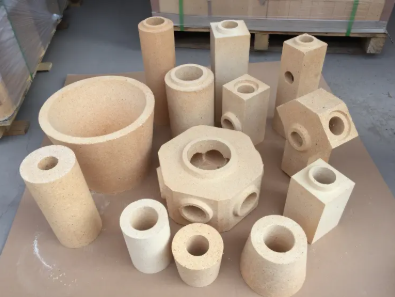 What Are Refractory Bricks And Their Industrial Applications?
2025-10-21
Refractory bricks are essential for high-temperature environments, made from materials like alumina, silica, and zirconia. These bricks are designed to withstand temperatures of at least 1580°C, offering excellent thermal insulation, mechanical strength, and resistance to thermal shock. Used in industries like steel, glass, and cement production, they protect equipment such as furnaces and kilns from extreme heat. The manufacturing process involves careful material preparation, pressing, and firing to enhance strength. Silicon carbide refractory bricks are especially valued for their superior thermal conductivity, wear, and corrosion resistance. Choosing the right type of refractory brick ensures optimal performance and safety. Read More -
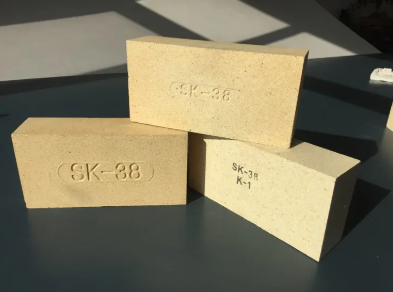 Refractory Brick Vs. Fire Brick: What Is The Difference?
2025-10-20
Refractory bricks and fire bricks are both designed for high-temperature applications but differ significantly in composition and performance. Refractory bricks, made from advanced materials like silicon carbide and alumina, offer superior thermal resistance, wear resistance, and durability, making them ideal for industries like steelmaking, glass production, and copper smelting. Fire bricks, composed mainly of clay and alumina, are more affordable and suitable for general use, such as fireplaces and chimneys. While fire bricks work well for lower-temperature applications, refractory bricks excel in high-stress, high-temperature environments. Choosing the right brick depends on the specific needs of your application. Read More -
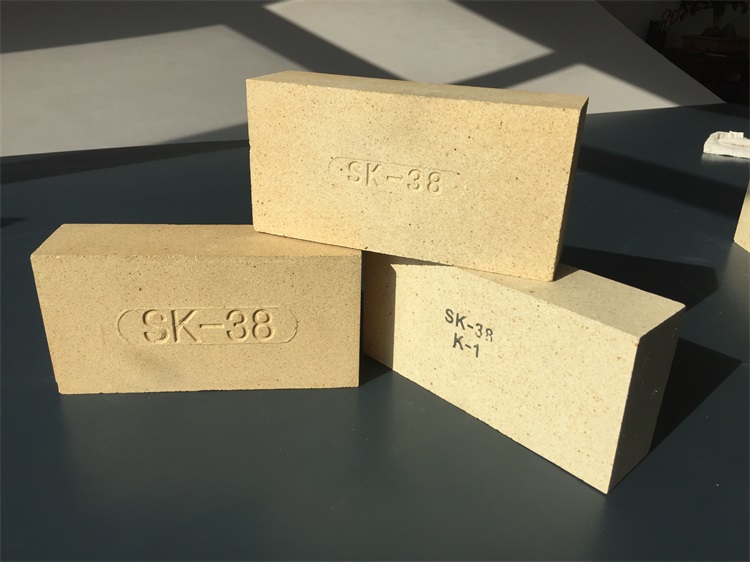 How To Select The Best Insulating Fire Brick For Your Application
2025-10-17
Ever wondered how to keep your high-temperature applications energy-efficient? Insulating fire bricks might be the answer. These bricks are crucial for minimizing heat loss in extreme environments. In this post, you'll learn how to select the best insulating fire brick for your specific needs and ex Read More
Product Category
Contact Us
Wangcun Town,Zhoucun District,Zibo,Shandong,CHINA
WhatsApp
+86-138-6938-4309
E-mail
zbzy@hotmail.com
zbzy@hotmail.com
Copyright © 2023 ZIBO ZHUOYUE REFRACTORY CO.,LTD. All Rights Reserved. Sitemap | Privacy Policy | Supported by leadong.com
Leave a Message