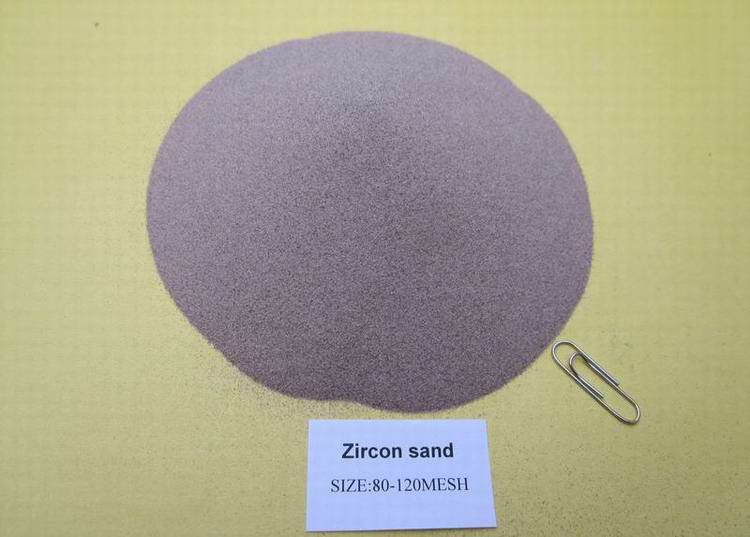
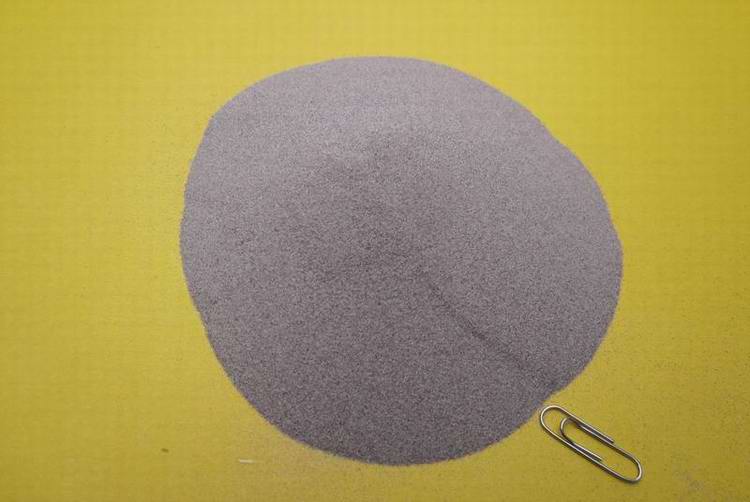
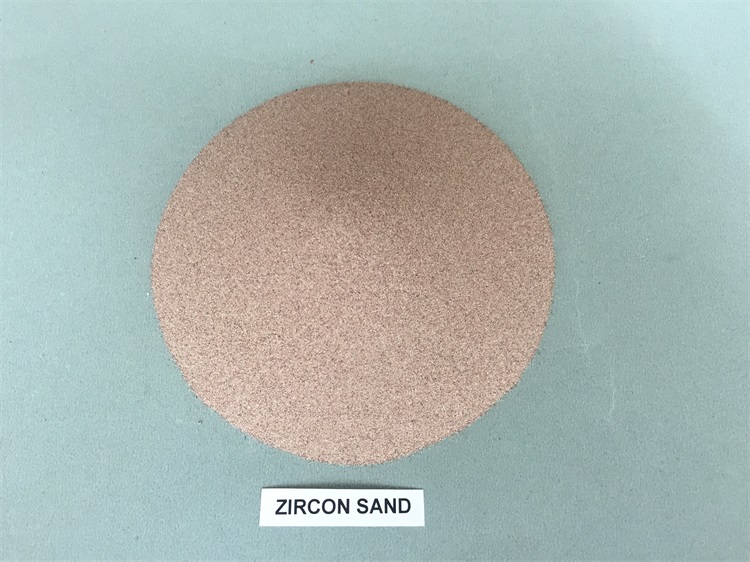
Zircon sand has been widely used in many high temperature processes because of its excellent high temperature resistance, corrosion resistance and high melting point. Read More
In modern industrial production, refractories play an indispensable role, especially in high temperature environment, they can withstand extreme temperature and chemical erosion, and ensure the smooth progress of the production process. Read More
Zirconium sand is widely used in foundry industry. The following are its specific uses:I. Precision casting molding sandZircon sand is widely used as molding sand in precision casting because of its high melting point (above 2550℃), low thermal expansion and good chemical stability. Read More
The cost difference between low porosity clay brick and ordinary clay brick is mainly reflected in the following aspects:I. Cost of raw materialsLow porosity clay brick: Generally, it is necessary to use higher quality raw materials, such as super-calcined flint clay and calcined bauxite, and add fl Read More
The environmental advantages of low porosity clay brick are mainly reflected in the following aspects:I. Reducing heat loss and improving energy efficiencyThe porosity of low porosity clay brick is low, usually lower than 17%, even as low as 13%-15%. This low porosity structure makes it have low the Read More
Clay bricks with low porosity have obvious advantages in metallurgical industry, mainly in the following aspects:I. Excellent corrosion resistanceThe porosity of low porosity clay brick is usually lower than 17%, even as low as 10%. Low porosity makes the brick more compact, which can effectively re Read More
The advantages of low porosity clay brick in different industries are as follows:I. Metallurgical industryHigh corrosion resistance: the porosity of low porosity clay brick is low, usually lower than 17%, even as low as 13%-15%, which makes the brick more compact and can effectively resist the corro Read More
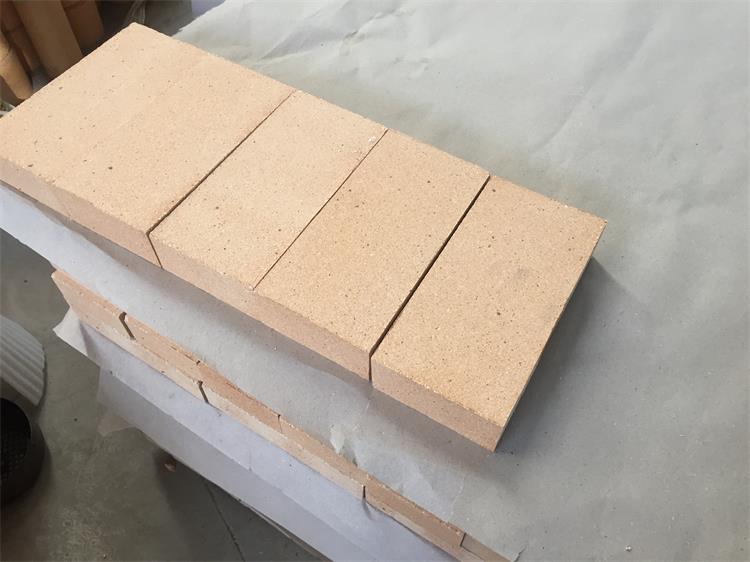
Low porosity clay brick is widely used in many industrial fields because of its excellent low porosity, high strength, high fire resistance and good corrosion resistance. The following are its main uses:I. Metallurgical industryClay bricks with low porosity are widely used in metallurgical industrie Read More
The main differences between low porosity clay bricks and ordinary clay bricks are as follows:I. PorosityLow porosity clay brick: the porosity is usually lower than 17%, and even lower than 12%. Low porosity makes the brick more compact and has stronger corrosion resistance. Read More
In modern industrial high-temperature equipment, the performance of refractories plays a vital role in the stable operation and service life of equipment. As a kind of high-performance refractory, low porosity clay brick is widely used in many fields because of its excellent physical and chemical Read More
Plug bricks, nozzle bricks and sleeve bricks are commonly used refractories in iron and steel smelting and continuous casting, and they play an important role in the gating system. The following are the applications of these three refractories:I. Plug bricksPlug brick is the core component of plug r Read More
The service life of plug brick varies with many factors, including its material, service conditions, molten steel temperature and composition. The following is the analysis of the common range and influencing factors of plug brick life under different conditions:I. Common service life rangeOrdinary Read More

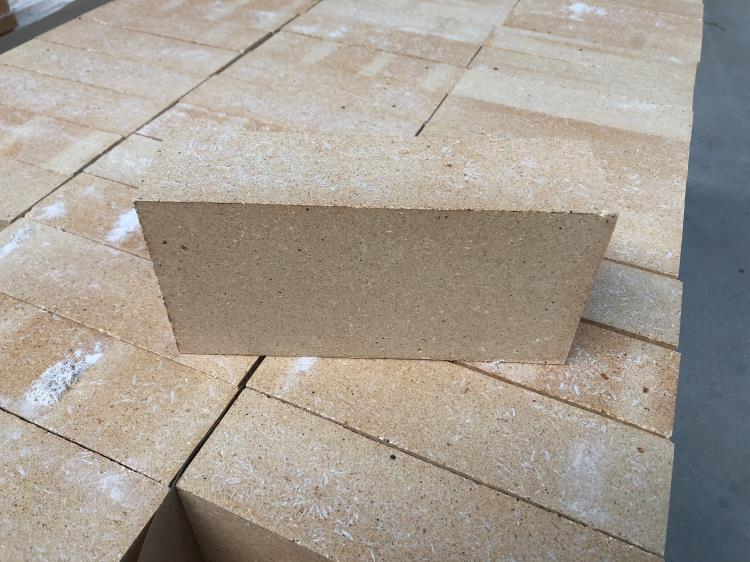
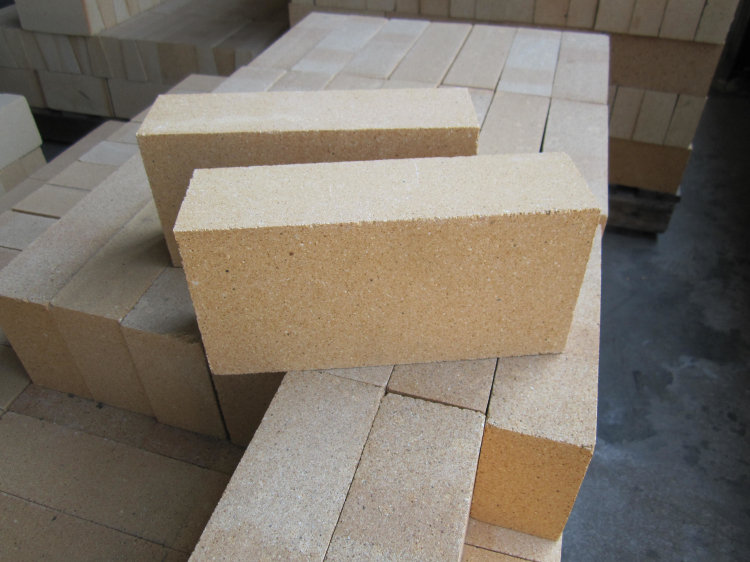
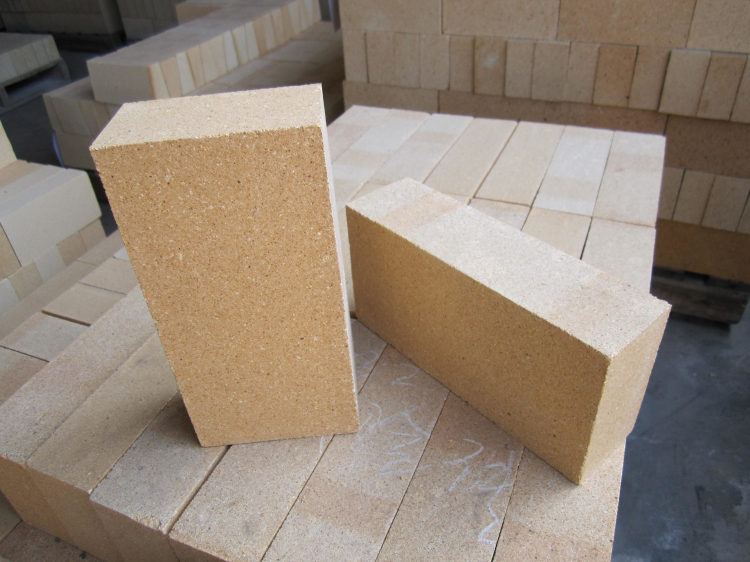
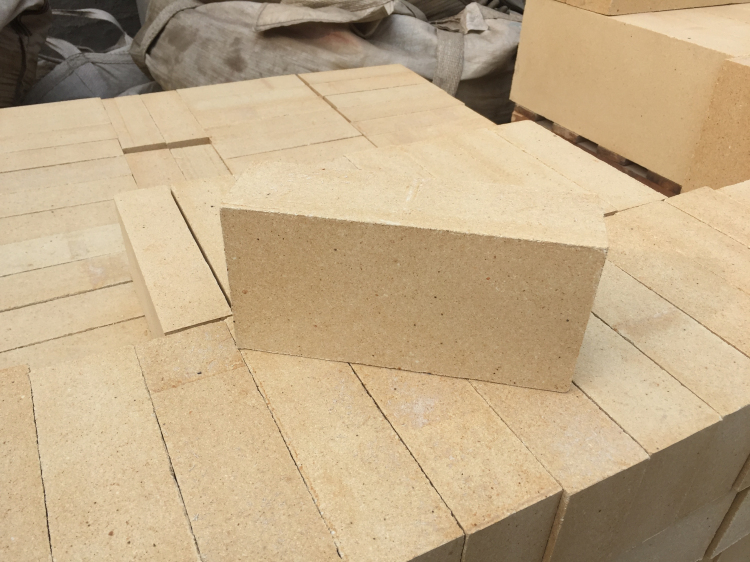 Main Uses of Low Porosity Clay Brick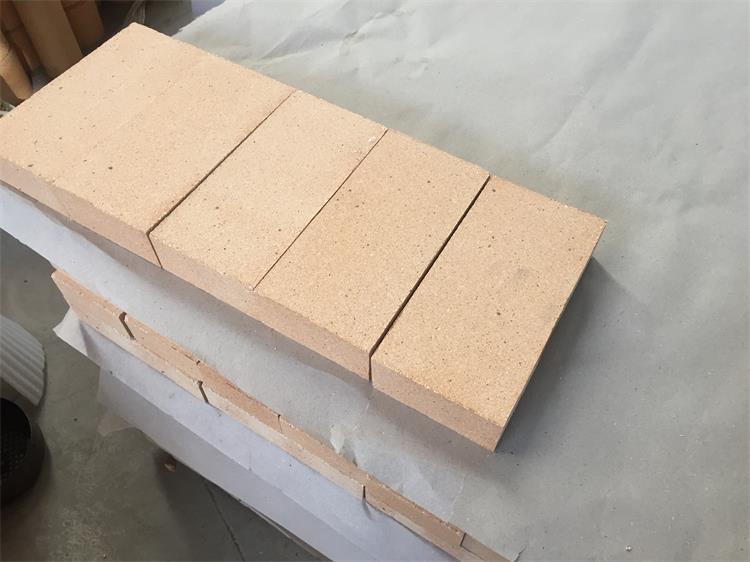
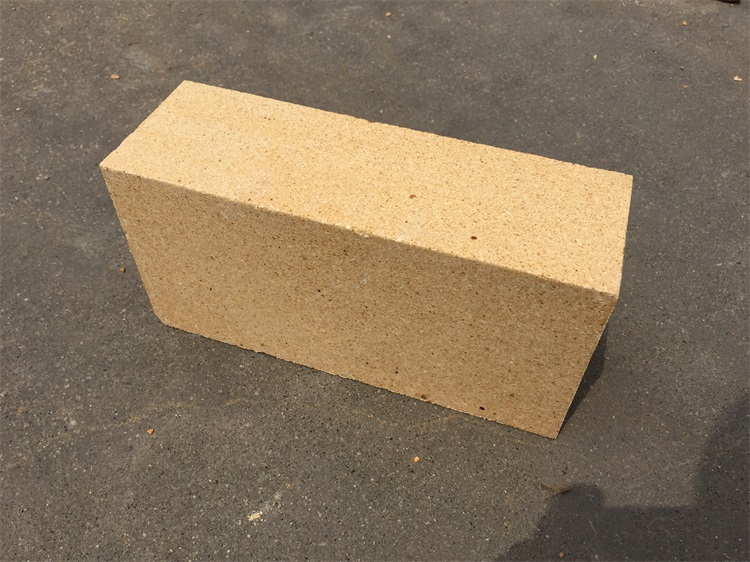 Application of Low Porosity Clay Brick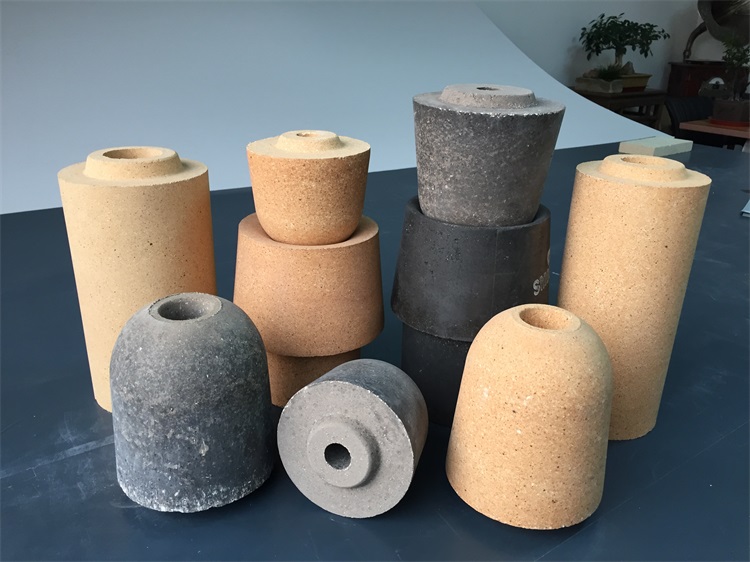
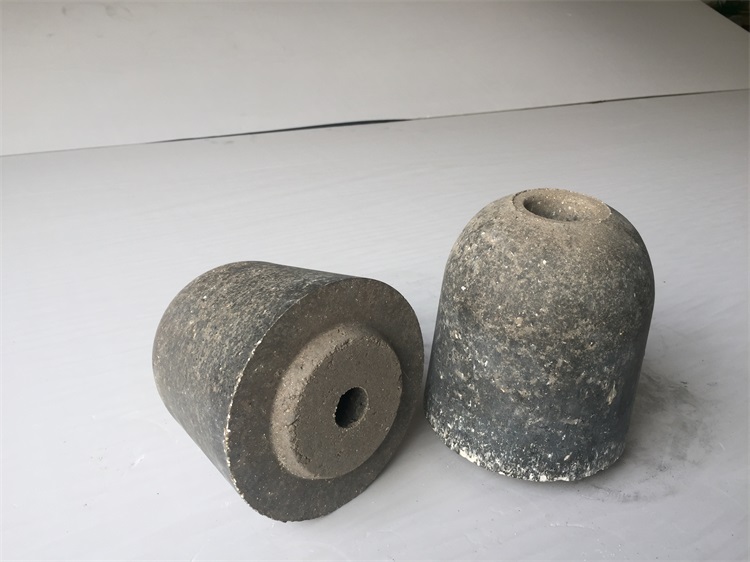 How Long Is The Life of Plug Bricks
