
Refractory Brick Vs. Fire Brick: What Is The Difference?
Views: 0 Author: Site Editor Publish Time: 2025-10-20 Origin: Site


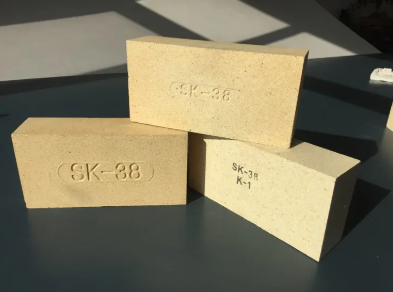
When dealing with high temperatures, choosing the right material is critical. Did you know that even small differences in bricks can affect performance? Refractory bricks and fire bricks are both used for heat containment, but they differ significantly in composition and use. In this article, you'll learn the key differences between refractory and fire bricks, and how to choose the right one for your specific needs.
Composition: What Makes Refractory Bricks Different from Fire Bricks?
Materials Used in Refractory Bricks
Refractory bricks are made from high-quality materials designed to withstand extreme temperatures. Key materials include:
Silicon carbide (SiC): Known for its excellent thermal conductivity and wear resistance.
Alumina: Offers high strength and thermal stability.
Zirconia: Provides exceptional resistance to heat and wear.
Mullite: A combination of alumina and silica, providing excellent heat resistance.
The specific mix of these materials allows refractory bricks to perform exceptionally well in industries that require high-temperature stability, such as steelmaking, glass production, and non-ferrous metal smelting.
Materials Used in Fire Bricks
Fire bricks, on the other hand, are primarily composed of clay minerals and alumina (in lower quantities). These bricks are designed to handle high temperatures, but their composition is simpler compared to refractory bricks. Fire bricks may also contain mullite, a mineral that helps improve their heat resistance, but they typically do not have the advanced properties found in refractory bricks.
The simplicity of fire bricks makes them ideal for less demanding applications, such as residential fireplaces and small kilns. While they can withstand significant heat, they are not as durable in high-stress, industrial environments.
Impact of Composition on Performance
The materials used in both types of bricks play a significant role in their ability to withstand heat, pressure, and wear. Refractory bricks, with their high-density and specialized components, offer superior resistance to thermal shock, wear, and corrosion. Fire bricks, though durable, are better suited for general heat containment and are less effective in harsh industrial environments where exposure to chemicals or extreme temperature changes is common.
When selecting bricks for industrial use, the composition directly affects performance. Refractory bricks are typically more suitable for environments requiring high thermal conductivity, wear resistance, and high-temperature stability.
Thermal Properties: Understanding Heat Resistance
Thermal Conductivity of Refractory Bricks
Refractory bricks are designed for superior thermal conductivity, allowing them to conduct heat away from the hot zones of furnaces or kilns. This ensures that heat is evenly distributed and reduces the risk of thermal stress or damage. For example, silicon carbide (SiC) refractory bricks are especially efficient at distributing heat throughout the brick, keeping the equipment cooler and preventing deformation.
Fire Brick Thermal Resistance
Fire bricks are capable of withstanding significant temperatures, but they have a lower thermal conductivity compared to refractory bricks. This characteristic makes them suitable for more general high-temperature applications like chimneys, fireplaces, and small kilns. However, fire bricks have a limited maximum temperature tolerance, typically around 3000°F. When subjected to temperatures above this threshold, they can begin to degrade or crack.
Comparison of Thermal Performance in Various Applications
In industrial furnaces and kilns, refractory bricks outperform fire bricks due to their higher thermal resistance. Refractory bricks can maintain their integrity even under extreme thermal stress, which is crucial in applications such as copper and steel smelting. Fire bricks, while effective in lower-heat environments, may not perform as well in high-stress scenarios where temperature fluctuations are common. The thermal properties of each type of brick play a crucial role in their suitability for various industrial applications. Refractory bricks are ideal for environments with higher temperature fluctuations or extreme heat.
Application-Specific Performance: Where Each Brick Shines
Refractory Bricks in High-Temperature Environments
Refractory bricks are designed to perform in extreme heat conditions and are often used in:
Steelmaking furnaces: They resist corrosion and high temperatures, essential for molten metal containment.
Glass production kilns: Refractory bricks maintain their strength and integrity under continuous high-temperature stress.
Copper smelting furnaces: The high heat resistance and corrosion resistance make them ideal for these high-temperature, abrasive processes.
In these applications, the ability of refractory bricks to withstand direct contact with molten metal or harsh chemicals ensures both safety and efficiency.
Fire Bricks in General Use
Fire bricks are best suited for applications that don't involve extreme wear or harsh chemical exposure, such as:
Chimneys: Fire bricks provide sufficient heat resistance and structural integrity.
Fireplaces: Ideal for home use, as they offer heat retention while being easy to handle.
Residential kilns: Fire bricks can withstand high temperatures but are not ideal for continuous use in industrial settings.
These applications benefit from the affordability and adequate thermal performance of fire bricks.
Durability and Resistance to Wear
Refractory bricks are highly durable and resistant to wear, which is vital in environments where the bricks face abrasive materials or chemical exposure. Fire bricks, while still durable, are more likely to crack or degrade under similar conditions, especially when exposed to high levels of thermal shock or corrosion. In industries with high abrasion and exposure to chemicals, refractory bricks offer superior durability and long-term performance compared to fire bricks.
Cost and Performance Trade-offs
Cost of Refractory Bricks
Refractory bricks tend to be more expensive due to their high-quality materials, advanced thermal properties, and superior durability. However, their ability to withstand extreme temperatures, resist wear, and handle thermal shock makes them a wise investment for industries that require consistent and reliable performance over time.
Fire Brick Cost-Effectiveness
Fire bricks are more affordable than refractory bricks, making them an attractive option for less demanding applications. They offer a cost-effective solution for residential projects and smaller industrial applications where extreme performance is not a critical requirement.
Comparing Long-Term Investment Value
While fire bricks are cheaper upfront, their lower durability and limited heat resistance mean they may require more frequent replacements in demanding environments. Refractory bricks, though more costly initially, can provide a better return on investment due to their longevity and superior performance in high-temperature applications.
When choosing between refractory bricks and fire bricks, consider the long-term cost and performance trade-offs. Refractory bricks are a better choice for high-demand environments, while fire bricks are cost-effective for general use.
Silicon Carbide Refractory Bricks: A Specialized Option
Why Choose Silicon Carbide Bricks?
Silicon carbide (SiC) refractory bricks offer several advantages over other types of refractory materials:
Excellent thermal conductivity: Helps evenly distribute heat, reducing thermal stress.
High wear resistance: Ideal for applications involving abrasive materials, such as metal smelting.
Superior corrosion resistance: Provides protection against acids, alkalis, and other harsh chemicals.
These features make SiC refractory bricks ideal for high-temperature, high-wear environments.
Applications of Silicon Carbide Refractory Bricks
SiC refractory bricks are commonly used in:
Non-ferrous metal smelting: Their wear and thermal shock resistance make them essential in processes like copper and aluminum smelting.
Iron and steel production: SiC bricks handle extreme temperatures and resist damage from molten metals.
Wear-resistant equipment linings: Pipes, pumps, and cyclones benefit from SiC's durability.
Comparison with Other Refractory Materials
SiC refractory bricks outperform other materials like alumina or zirconia in terms of thermal shock resistance and wear resistance. They are ideal for environments where these properties are crucial, such as in smelting and high-wear processing applications.
Silicon carbide refractory bricks are particularly beneficial in industries that require high thermal shock resistance and resistance to abrasive wear, such as metal smelting and steel production.
Conclusion
Refractory bricks and fire bricks are essential for heat management, each serving different needs. Refractory bricks are durable, offering superior performance for high-temperature industrial applications. Fire bricks, on the other hand, are more cost-effective for general use and residential projects.
When choosing the right brick, consider the specific demands of your environment. Refractory bricks are perfect for high-performance needs, while fire bricks work well in less intense conditions.
ZIBO ZHUOYUE REFRACTORY CO.,LTD provides high-quality refractory solutions tailored to your needs, ensuring reliability and performance in demanding environments.
FAQ
Q: What is the difference between refractory bricks and fire bricks?
A: Refractory bricks are made from advanced materials like silicon carbide, offering superior thermal resistance and durability. Fire bricks are made from clay and alumina, designed for general high-temperature use but are less durable than refractory bricks.
Q: Why should I choose refractory bricks over fire bricks?
A: Refractory bricks are ideal for high-performance industrial applications that involve extreme temperatures, while fire bricks are better for more general uses like chimneys or small kilns.
Q: Can I use fire bricks for industrial applications?
A: Fire bricks can be used for some industrial applications, but they have limitations in high-stress, high-temperature environments. Refractory bricks are better for these demanding conditions.


