
What Are The Advantages of Refractory Bricks?
Views: 0 Author: Site Editor Publish Time: 2025-10-22 Origin: Site


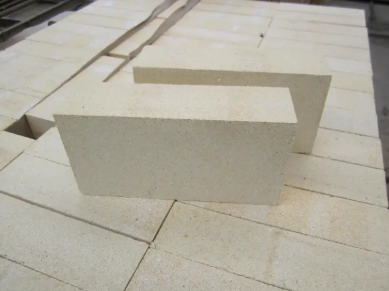
Refractory bricks are indispensable in industries dealing with extreme heat and pressure. But what makes them so vital?
In this article, we'll explore the unique advantages of refractory bricks. From their heat resistance to their durability, you'll learn why these specialized materials are essential for high-performance operations.
Superior Heat Resistance of Refractory Bricks
High-Temperature Endurance
Refractory bricks are specifically designed to withstand high temperatures without losing structural integrity. These bricks can endure temperatures ranging from 1,200°C to 2,100°C, depending on their composition. Unlike regular bricks, which may crack or deform under extreme heat, refractory bricks remain stable, making them ideal for high-temperature environments like blast furnaces, kilns, and glass production.
For example, in steel manufacturing, furnaces can exceed temperatures of 1,500°C, requiring materials capable of surviving such heat without deteriorating. This is where refractory bricks come in—they line the furnaces and protect the external structure from the extreme internal heat.
Thermal Shock Resistance
In addition to their high-temperature endurance, refractory bricks excel at thermal shock resistance. Thermal shock occurs when a material experiences rapid changes in temperature, causing it to crack or break. Refractory bricks are designed to absorb and dissipate thermal stresses, ensuring that they remain intact even when exposed to sudden temperature fluctuations.
For instance, in glassmaking furnaces, the temperature can fluctuate drastically as molten glass is moved in and out. Refractory bricks are able to handle these changes without cracking, maintaining the structural integrity of the furnace lining.
Benefits in High-Temperature Environments
The heat resistance of refractory bricks makes them indispensable in industries like steelmaking, cement manufacturing, and glass production. They ensure the longevity of furnaces, kilns, and other high-temperature equipment, allowing these industries to operate efficiently without frequent equipment replacement or downtime.
When selecting refractory bricks, consider the specific temperature range your equipment will operate in to ensure optimal material performance.
Chemical and Corrosion Resistance of Refractory Bricks
Protecting Equipment from Corrosive Elements
Refractory bricks offer exceptional protection against corrosion from molten metals, slags, and other aggressive chemicals. Their composition, which typically includes silica, alumina, and magnesia, provides a chemical barrier that prevents reactive materials from breaking down the brick structure.
For example, in a steelmaking furnace, molten slag and metal can be highly corrosive. Refractory bricks prevent these materials from eroding the furnace walls, thereby extending the lifespan of the equipment.
Material Composition for Enhanced Durability
The durability of refractory bricks is largely due to their unique material composition. Alumina, silica, and magnesia are the primary components, each serving a specific purpose. Alumina improves heat resistance, while silica provides thermal insulation. Magnesia increases the brick's strength and resistance to chemical reactions, making it ideal for applications where chemical exposure is significant.
Long-Term Protection in Industrial Applications
Industries such as petrochemicals, steel, and ceramics rely heavily on refractory bricks due to their durability in harsh environments. These bricks help prevent frequent repairs and replacements, making them a cost-effective long-term solution for high-temperature, high-stress operations.
For industries dealing with corrosive substances, opt for refractory bricks with a higher percentage of magnesia for better corrosion resistance.
Mechanical Strength and Durability of Refractory Bricks
Withstanding Physical Stress
Refractory bricks are engineered to handle physical stress, particularly in environments where heavy loads and mechanical pressure are common. Their ability to maintain structural integrity under such stress makes them vital for use in high-pressure applications like steel blast furnaces and cement kilns.
Compressive Strength of Refractory Bricks
One of the standout properties of refractory bricks is their high compressive strength. This allows them to withstand the heavy loads exerted on furnace walls and kiln linings without deforming or breaking. The bricks’ ability to endure heavy mechanical stress ensures that industrial operations can continue without interruptions due to structural failure.
Longevity and Low Maintenance
Refractory bricks are known for their long service life. Unlike regular bricks, which can degrade quickly in high-temperature or high-pressure environments, refractory bricks are durable and require minimal maintenance. This leads to reduced downtime, fewer repairs, and lower operational costs over time.
Tip: Choose refractory bricks with high compressive strength for heavy-duty applications to prevent premature wear and tear on your equipment.
Energy Efficiency Benefits of Refractory Bricks
Excellent Thermal Insulation
Refractory bricks are excellent insulators, helping to minimize heat loss from furnaces and kilns. This makes them invaluable in industries that require high-temperature operations, such as glass and steel production. The thermal insulation provided by refractory bricks helps retain heat within the furnace, reducing the need for additional energy input.
By maintaining a stable internal temperature, refractory bricks contribute to more efficient energy use, ultimately reducing fuel consumption and energy costs.
Reduced Fuel Consumption
Energy efficiency is a major benefit of using refractory bricks. Their thermal insulation properties help maintain consistent temperatures, allowing industrial furnaces and kilns to operate more efficiently. With less energy lost to heat, the overall fuel consumption is reduced, leading to significant cost savings.
Cost-Effectiveness in the Long Run
Although refractory bricks may have a higher upfront cost compared to regular bricks, their durability and energy-saving properties make them a more cost-effective option in the long term. Their ability to reduce fuel consumption, minimize maintenance needs, and extend the life of industrial equipment makes them a wise investment. For industries focused on sustainability and energy savings, refractory bricks are an excellent choice due to their superior insulation properties.
Customizability of Refractory Bricks for Specific Applications
Tailoring to Industry Needs
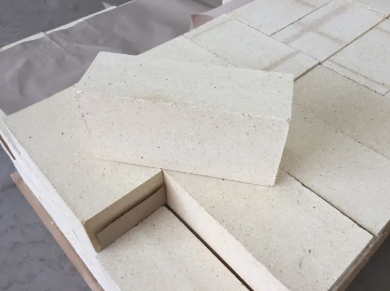
Refractory bricks are highly customizable, with manufacturers offering a variety of compositions, shapes, and sizes to suit specific industrial applications. Whether you need bricks for a high-temperature furnace, a kiln, or a chemical reactor, refractory bricks can be designed to meet your exact requirements.
Versatility in Design and Use
Refractory bricks are versatile and can be used in a variety of industries, from steel production to ceramics and petrochemicals. Their ability to be customized for specific applications makes them invaluable in specialized fields where standard materials may not be suitable.
Availability of Specialized Refractory Bricks
Refractory brick suppliers offer specialized products such as high-alumina bricks, silica bricks, and magnesite bricks, each tailored to meet the needs of different industries. For example, high-alumina bricks are ideal for steelmaking, while silica bricks are preferred for glass production due to their excellent resistance to acidic slags.
Consult with a refractory brick supplier to ensure you select the right type of brick for your specific industrial needs.
The Role of Refractory Bricks in Modern Industrial Processes
Use in Steel and Metallurgy
Refractory bricks are integral to steelmaking and metallurgy. They line blast furnaces, converters, and ladles, protecting the equipment from intense heat, chemical corrosion, and mechanical stress. Without these bricks, these critical processes would face constant breakdowns and inefficiencies.
Critical Role in Cement Manufacturing
In cement manufacturing, rotary kilns reach temperatures as high as 1,450°C. Refractory bricks line the kiln, protecting it from thermal shock and chemical erosion. They help maintain consistent temperatures and improve energy efficiency, making them essential for the cement industry.
Essential for Glass Manufacturing
Glass production requires furnaces capable of handling molten glass at high temperatures. Refractory bricks in glassmaking furnaces help maintain thermal efficiency while resisting corrosion from molten glass and other chemicals. Their use ensures the longevity and efficiency of glass production processes.
Refractory Bricks in Power Generation and Petrochemical Industries
Refractory bricks are also used in power plants and petrochemical industries. In power generation, they line boilers and combustion chambers, protecting against high-temperature combustion and slag attack. In petrochemical refineries, they protect equipment from carburization and hydrogen attack.
Conclusion
Refractory bricks are essential for industries requiring high heat, chemical resistance, and mechanical strength. Their ability to endure extreme temperatures, resist corrosion, and improve energy efficiency makes them vital in sectors like steelmaking, glass production, and cement manufacturing. Choosing the right refractory brick for your needs enhances equipment efficiency and reduces maintenance costs.
ZIBO ZHUOYUE REFRACTORY CO.,LTD offers high-quality Refractory Brick, designed to provide exceptional performance and durability, ensuring optimal operational efficiency for various industrial applications.
FAQ
Q: What is a refractory brick?
A: A refractory brick is a high-performance material designed to withstand high temperatures, mechanical stress, and chemical corrosion. It is used in industries like steelmaking, glass production, and cement manufacturing.
Q: Why are refractory bricks important in high-temperature environments?
A: Refractory bricks are essential due to their ability to endure extreme temperatures without losing their integrity. Their high-temperature resistance makes them ideal for use in furnaces, kilns, and other high-heat equipment.
Q: How do refractory bricks resist chemical damage?
A: Refractory bricks are made from materials like silica, alumina, and magnesia, providing exceptional chemical resistance. This prevents them from degrading when exposed to molten metals, slags, and other corrosive substances.


