
What Are Refractory Bricks And Their Industrial Applications?
Views: 0 Author: Site Editor Publish Time: 2025-10-21 Origin: Site


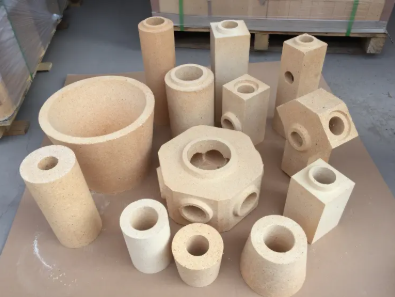
Refractory bricks are crucial in industries involving extreme temperatures. They are designed to withstand heat where regular materials fail.
In this article, we'll explore what a refractory brick is, its key properties, and how it's made. You will also learn about its various industrial applications.
Refractory Brick Definition
Refractory bricks are inorganic, non-metallic materials that can endure temperatures of at least 1580°C. They are made from raw materials like alumina, silica, and other compounds that are specially processed to enhance their heat-resistant properties. The primary function of a refractory brick is to protect the walls of furnaces, kilns, and other high-temperature equipment, ensuring that these systems can operate efficiently without being damaged by extreme heat.
Properties of Refractory Bricks
Refractory bricks are designed with a set of physical properties that make them suitable for high-temperature environments. These properties include:
High Melting Point: Refractory bricks have a very high melting point, which enables them to resist heat and prevent deformation.
Thermal Insulation: These bricks offer excellent thermal insulation, reducing heat loss and improving energy efficiency.
Mechanical Strength: They are highly durable and can withstand both thermal shock and mechanical stress.
Tip: When selecting refractory bricks for a specific application, it’s essential to consider the material's thermal conductivity, strength, and porosity. This ensures the right choice for optimal performance in high-temperature conditions.
The Composition of Refractory Bricks
The composition of a refractory brick plays a crucial role in determining its thermal and mechanical properties. Let's break down the main components:
Raw Materials
Refractory bricks are typically made from a combination of natural raw materials, such as:
Alumina (Al2O3): Known for its high melting point and excellent heat resistance.
Silica (SiO2): Provides good thermal insulation and helps the bricks resist thermal shock.
Zirconia (ZrO2): Often used in specialized bricks due to its high melting point and resistance to corrosion.
Silicon Carbide (SiC): A material known for its exceptional strength, thermal conductivity, and resistance to abrasion.
Chemical Properties
The chemical makeup of refractory bricks impacts their ability to resist high temperatures. For example:
High Alumina Content: The higher the alumina content, the better the brick’s ability to resist heat and prevent oxidation.
Impurities: Elements like calcium and iron can lower the overall fire resistance of the brick. These impurities may reduce the brick's melting point and decrease its overall performance.
Refractory bricks with a high alumina content are ideal for environments where heat resistance is crucial, such as steel and glass production.
Thermal Properties of Refractory Bricks
Thermal properties are one of the most important factors in choosing refractory bricks. These properties determine how well the brick can withstand extreme temperatures without failing.
Thermal Conductivity
Refractory bricks are engineered to have low thermal conductivity. This means they do not easily transmit heat, making them highly effective at insulating high-temperature environments. Lower thermal conductivity helps conserve energy and ensures the brick doesn't degrade under prolonged exposure to heat.
Thermal Expansion
Materials that expand or contract with temperature changes can lead to cracks in the structure. Refractory bricks are made from materials that have low thermal expansion, which helps them maintain their integrity in fluctuating temperatures.
Porosity and Structure
The porosity of a refractory brick affects how it handles heat. Bricks with low porosity are more effective at insulating because there are fewer pathways for heat to travel. Additionally, fine grain sizes create a denser, more tightly packed structure, which increases strength and thermal resistance.
When considering the thermal performance of refractory bricks, focus on their porosity and thermal expansion. These factors significantly influence the brick's ability to maintain its form under high heat.
Manufacturing Process of Refractory Bricks
The production process of refractory bricks is critical to their performance. Several key steps are involved in creating a high-quality refractory brick:
Raw Material Preparation
Before manufacturing begins, raw materials must be carefully selected and prepared. This includes sorting the materials based on their chemical properties and grinding them into fine powders. The uniformity of the raw materials is crucial for ensuring consistent quality.
Mixing and Pressing
Once the materials are prepared, they are mixed with water to form a paste. The mixture is then pressed into molds to form the shape of the brick. Pressing ensures that the brick will have the desired density and mechanical strength.
Firing and Sintering
The final step in the manufacturing process is firing. The bricks are heated at high temperatures in a furnace to initiate the sintering process. This strengthens the brick and improves its ability to withstand high temperatures. The sintering process bonds the particles together, making the brick more durable. The firing temperature and duration significantly affect the strength and thermal resistance of refractory bricks. It's essential for manufacturers to monitor these parameters carefully during production.
Applications of Refractory Bricks
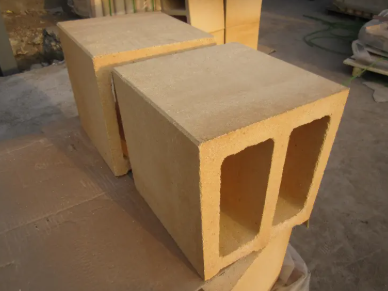
Refractory bricks are used in a variety of industries where high temperatures are prevalent. Let's explore some of their key applications:
Steel Industry
In the steel industry, refractory bricks line the furnaces used for melting and processing steel. They also line ladles that hold molten steel, ensuring that the steel stays at the right temperature during transport.
Glass Manufacturing
Refractory bricks are used to line the furnaces in the glass industry. These furnaces melt raw materials to create glass, and the bricks help maintain high temperatures and prevent heat loss. Additionally, refractory bricks are used in regenerators to preheat the air entering the furnace.
Cement Industry
Cement plants use refractory bricks to line the rotary kilns, where raw materials are heated to produce clinker. These bricks also line the coolers where the clinker cools down after being fired.
Other Industrial Applications
Refractory bricks are also used in industries such as copper-making, iron forging, waste-to-energy plants, and other high-temperature applications. Their durability and resistance to heat and corrosion make them ideal for these environments.
Choose refractory bricks that match the specific conditions of your industry. Different applications require varying levels of heat resistance, corrosion resistance, and mechanical strength.
Advantages of Silicon Carbide Refractory Bricks
Silicon carbide (SiC) refractory bricks offer several advantages over other types of refractory materials. Let's take a look at why they are favored in specific applications.
Superior Thermal Conductivity
Silicon carbide refractory bricks have excellent thermal conductivity, allowing heat to be distributed evenly throughout the brick. This reduces thermal stress and prevents damage caused by uneven heating.
High Wear and Corrosion Resistance
SiC bricks are highly resistant to wear and corrosion, making them ideal for applications that involve abrasive materials or corrosive environments. For example, they are often used in metal smelting applications like copper and aluminum production.
Thermal Shock Resistance
One of the most significant advantages of SiC bricks is their ability to withstand rapid temperature changes. Their low expansion coefficient ensures that they maintain their shape and integrity even when subjected to thermal shock.
If your application involves high abrasion or corrosive environments, consider using silicon carbide refractory bricks for superior performance and durability.
Key Differences Between Refractory Bricks and Fire Bricks
While both refractory bricks and fire bricks are used in high-temperature applications, there are key differences between the two materials.
Composition and Material Variance
Refractory bricks are made from a broader range of materials, including silicon carbide, alumina, and zirconia. Fire bricks, on the other hand, are primarily composed of clay minerals and contain less alumina and silica.
Thermal Properties Comparison
Refractory bricks generally have a higher thermal conductivity and density compared to fire bricks. This allows them to handle more demanding applications, such as those involving molten metals or corrosive environments.
Application-Specific Performance
Refractory bricks are designed for specific high-temperature applications, offering better performance in terms of wear, corrosion resistance, and thermal resistance. Fire bricks, while suitable for less demanding environments, may not perform as well in extreme conditions.
When choosing between refractory bricks and fire bricks, consider the specific needs of your application. Refractory bricks are better suited for harsher conditions, while fire bricks are more cost-effective for general use.
Conclusion
Refractory bricks are essential in industries that deal with extreme temperatures. Their heat resistance, durability, and corrosion resistance make them crucial for steel, glass, and cement production. Understanding their composition, properties, and manufacturing process helps ensure the right material selection. At ZIBO ZHUOYUE REFRACTORY CO., LTD, we specialize in providing high-quality refractory bricks designed to improve efficiency and safety in demanding applications. For the most challenging environments, our silicon carbide refractory bricks offer superior heat and wear resistance, ensuring optimal performance and reliability. Choose ZIBO ZHUOYUE REFRACTORY CO., LTD for durable and efficient refractory solutions.
FAQ
Q: What is a refractory brick?
A: A refractory brick is an inorganic, non-metallic material designed to withstand high temperatures. They are commonly used in furnaces, kilns, and other thermal equipment for insulation and protection.
Q: What are the main properties of a refractory brick?
A: Refractory bricks are known for their high melting point, excellent thermal insulation, and mechanical strength, making them ideal for use in high-temperature environments.
Q: How are refractory bricks made?
A: Refractory bricks are made by mixing raw materials like alumina, silica, and zirconia, which are then shaped and fired at high temperatures to enhance their strength and heat resistance.


